
 412-363-0500



Veteran Mental Health and Service Dogs: What Research Suggests and What Programs Provide
Veterans can face a range of mental health challenges after military service, including post-traumatic stress disorder, anxiety, depression, sleep disruption, and difficulty adjusting to civilian routines. These challenges can affect daily life in ways that are not always visible. Leaving the house, sleeping through the night, navigating crowded places, or maintaining a steady routine can become difficult.
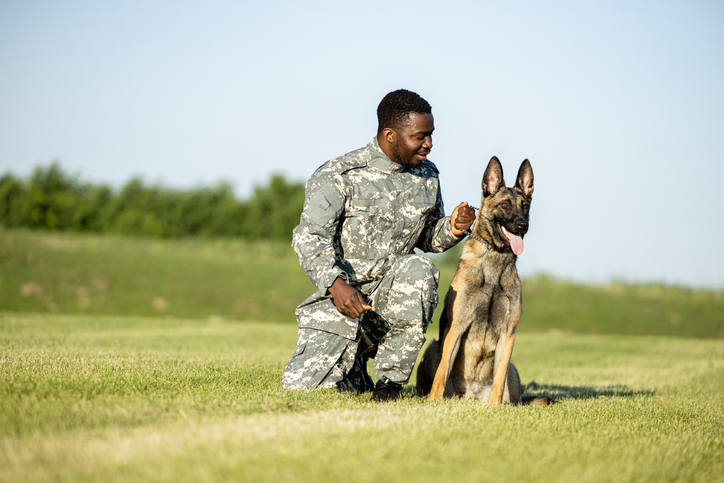
Service dogs are one supportive option some veterans explore as part of a larger care plan. A trained service dog can perform specific tasks that help a veteran manage symptoms, move through public spaces with more confidence, and regain structure in daily life. At the same time, service dogs are not a cure and may not be the right fit for every veteran.
For veterans, family members, caregivers, and professionals researching service dogs for veterans, it is important to understand both what research suggests and what reputable programs, such as Guardian Angels Medical Service Dogs, offer.
Understanding Veteran Mental Health Challenges
Many veterans live with mental health conditions that can affect how they feel, function, and interact with the world around them. These conditions may develop after combat exposure, military sexual trauma, repeated high-stress environments, injury, loss, or the transition from military to civilian life.
Post-traumatic stress disorder, often called PTSD, can involve intrusive memories, nightmares, avoidance of certain places or situations, heightened alertness, irritability, and mood changes. A veteran may avoid crowds, sit with their back to a wall in public spaces, or feel constantly on guard even in familiar environments.
Anxiety disorders can also affect veterans. Anxiety may appear as racing thoughts, panic episodes, difficulty concentrating, restlessness, or physical symptoms such as a rapid heartbeat or shortness of breath. Depression can affect motivation, sleep, appetite, energy, and interest in activities. It may also contribute to isolation, difficulty maintaining relationships, or a reduced sense of purpose.
Because these challenges are complex, support often needs to be comprehensive. Therapy, medical care, peer support, family education, lifestyle routines, and community resources can all play a role. For some veterans, a service dog may become one part of that broader support system.
What Are Service Dogs for Veterans?
A service dog is a dog trained to perform specific tasks related to a person’s disability. Under the ADA, service animals are dogs trained to perform tasks directly connected to a disability. This distinction matters because service dogs are trained to perform specific actions that address disability-related needs.
For veterans with PTSD, anxiety, or other mental health challenges, service dogs may be trained to perform psychiatric service tasks. These tasks are practical, specific, and connected to the veteran’s needs.
For veterans, service dog tasks may include:
- Interrupting anxiety or panic episodes when signs of distress appear.
- Providing grounding behaviors, such as nudging, pawing, or applying gentle pressure when trained to do so.
- Creating personal space in public by positioning between the veteran and others.
- Interrupting nightmares or nighttime disturbances.
- Guiding the veteran toward an exit when anxiety increases in a public place.
- Reminding the veteran to follow routines, such as taking medication, when trained to do so.
At Guardian Angels Medical Service Dogs, our service dogs may be trained to help mitigate PTSD-related challenges through shielding, grounding during anxiety or panic attacks, grounding during flashbacks, and waking someone from nightmares. These are trained responses connected to the recipient’s disability-related needs.
What Research Suggests About Service Dogs and Veteran Mental Health
Research on service dogs and veteran mental health is still developing. Still, several studies suggest that trained service dogs may be associated with improvements in PTSD symptoms, anxiety, depression, quality of life, and social engagement.
At Guardian Angels Medical Service Dogs, we maintain a 0% recipient suicide rate. Recipients also experience a <3% divorce rate, and many recipients experience a 59% decrease in major symptoms after 1 year with a service dog.
A VA study examined whether service dogs could help veterans with PTSD and reported that veterans paired with service dogs had lower PTSD symptom severity than those paired with dogs trained for comfort-based support. The VA also noted that both groups still experienced PTSD symptoms, reinforcing that service dogs should not be viewed as a standalone treatment.
More recent research published in JAMA Network Open found that veterans working with service dogs had lower self-reported and clinician-rated PTSD symptom severity, lower anxiety and depression, higher quality of life, and fewer feelings of isolation compared with veterans on a waitlist.
These findings are meaningful, but they should be interpreted carefully. Research suggests potential benefits, not guaranteed outcomes. Every veteran’s experience is different, and results can depend on the veteran’s needs, the dog’s training, the quality of the match, the support provided by the program, and the veteran’s broader treatment plan.
Reported Benefits of Service Dogs
One reported benefit is increased routine. Working with a service dog creates structure through daily care, walks, training practice, and public outings. This routine can create more predictability in the day.
Service dogs may also help veterans feel more prepared to enter public settings. For a veteran who experiences hypervigilance or anxiety in crowds, a trained service dog may help create space, provide grounding, or interrupt escalating symptoms. This can make errands, appointments, family activities, or community events more manageable.
Some veterans also report a stronger sense of independence. Tasks that once felt overwhelming may become more approachable with a service dog present. Family members may notice changes as well, especially when the veteran feels more comfortable participating in daily routines.
For a deeper look at the practical benefits of service dogs for veterans, veterans and families can explore resources that explain how trained service dogs may support daily living.
What the Guardian Angel Service Dog Program Provides
Our organization does more than place a dog with a veteran. We provide structured training, matching, education, and follow-up support. This matters because the success of a service dog partnership depends on more than the dog’s skills alone.
With our structured program, we provide professionally trained service dogs prepared for public access, task work, and behavior in a variety of environments. Service dogs need to remain calm, responsive, and focused in public settings while performing tasks that are specific to the veteran’s needs.
Guardian Angels Medical Service Dogs trains and carefully matches service dogs to recipients, helping ensure that the dog’s temperament, task training, energy level, and working style align with the veteran’s lifestyle and needs.
Training for the veteran is also essential. The recipient must be willing to follow our instructions and plan to be 50% of the team. The veteran needs to learn to communicate with the service dog, reinforce tasks, maintain public access behavior, and build a reliable working relationship. Ongoing support is also important because questions, public access challenges, or training refinements may come up after placement.
We have mental health professionals who have designed programs specifically for people receiving service dogs from us and for their families, and we conduct quarterly follow-ups for the life of the team to ensure they have all the support they need.
Structured programs like those offered by Guardian Angels Medical Service Dogs stand apart because they provide consistency, accountability, safety standards, and a support network. They help improve the chances that the veteran and service dog can work together successfully over time.
To learn more about the broader impact of service dogs for veterans and first responders, veterans and families can review program-focused information about how trained service dogs may support daily functioning.
How Veterans Can Explore Service Dog Options
Veterans interested in service dogs should begin by gathering credible information and thinking carefully about their needs. A service dog is a major commitment, so it is important to move through the process thoughtfully.
A good first step is to speak with a mental health professional, a physician, a caseworker, or a trusted support provider. These professionals can help the veteran consider whether a service dog may fit into their broader care plan. They may also help identify specific symptoms or daily challenges that a service dog could be trained to support.
Next, veterans can research reputable service dog organizations. Important questions to ask include:
- What training standards does the program follow?
- When does training begin?
- How are service dogs prepared for public settings?
- What type of task training does the program provide?
- How are dogs matched with veterans?
- What does the veteran training process include?
- Is there follow-up support after placement?
- What costs, if any, are involved?
- What is the expected wait time?
- What happens if the match is not successful?
Veterans should also ask how a program evaluates whether a dog is ready for service work. At Guardian Angels Medical Service Dogs, a service dog must reliably perform trained tasks across environments and must not pose a safety threat to the public. This type of standard helps protect the veteran, the service dog, and the public.
Veterans should be cautious of organizations that make guaranteed claims, offer immediate placement without a clear training process, or provide vague answers about task training and follow-up support. A legitimate program should be able to explain its process clearly.
Important Considerations Before Applying for a Service Dog
A service dog can provide meaningful support for some veterans as part of a broader treatment plan, but the decision should be made with realistic expectations. Before applying, veterans should consider the time commitment, lifestyle fit, and ongoing responsibilities.
A service dog requires daily care. This includes feeding, grooming, exercise, veterinary care, training reinforcement, and attention to the dog’s well-being. Even when a dog is professionally trained, skills need to be maintained.
Veterans should also consider their living environment. Housing, transportation, family routines, work schedules, and public outings can all affect whether a service dog is a good fit. Other household members may need education about the service dog’s role and boundaries.
There is also a practical adjustment period. Building trust and consistency with a service dog takes time. The first weeks and months may involve learning and continued support from the program.
Veterans should not feel pressured to pursue a service dog simply because others have had positive experiences. The right decision depends on the individual veteran’s needs, treatment plan, lifestyle, and readiness for the responsibility.
Making Informed Decisions About Service Dog Support
At Guardian Angels Medical Service Dogs, we not only provide trained medical service dogs, but we also provide careful matching, veteran education, transition support, task training, and consistent follow-up. We also invest significant time in preparing service dogs through foundational training, public-access preparation, distraction-proofing, advanced task work, and confidence-building exercises.
A service dog can be a vital part of a veteran’s support system, especially when paired with comprehensive care and a structured program. Making an informed decision helps ensure that both the veteran and service dog are set up for the strongest possible working relationship.
If you have questions about service dogs, please contact us today.
To donate to our mission and help us continue to pair life-changing service dogs with veterans, first responders, and civilians living with permanent disabilities, visit here.
Veterans Place of Washington Boulevard provides supportive services for veterans experiencing housing instability, recovery challenges, and barriers to long-term stability. Through housing support, outreach, case management, recovery services, and community-based resources, the organization works closely with veterans to help them access the care, structure, and support they need to move forward.
Latest posts by Veteran Place of Washington Boulevard (see all)
- Suicide Prevention and Awareness with Veterans Place - September 11, 2026
- Veteran Mental Health and Service Dogs: What Research Suggests and What Programs Provide - May 20, 2026
- Veteran Success Story - May 24, 2025

LEARN MORE ABOUT OUR PROGRAMS OR REFER A VETERAN TODAY
Veterans Place of Washington Boulevard provides programs and support services for veterans in Western Pennsylvania. Learn more about available resources or refer a veteran today to help connect them with the support they need.